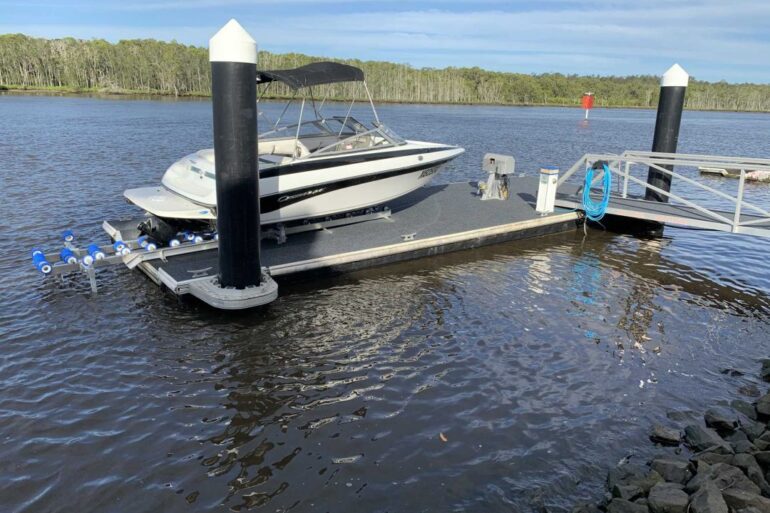
A reliable docking system is essential in tidal waters and rough conditions. Without it, mooring becomes unstable and unsafe. Piled pontoons offer a durable and stable solution, setting them apart from other options like cable pontoons or strut-arm pontoons. These heavy-duty pontoon solutions are built to withstand challenging marine environments, providing peace of mind for both residential and commercial users.
Piled pontoons, also known as floating pontoons with piles, combine functionality with resilience. Their fixed mooring docks stay secure, even in varying water levels, thanks to their effective pontoon stability systems. Whether for private marinas, commercial piers, or residential docks, their design ensures dependable performance for years.
This guide will detail how piled pontoons function, their key components, common issues, and essential maintenance practices. I’ll also highlight repair needs and best practices to maintain long-term performance. At Micks Marine Maintenance, we specialise in professional pontoon maintenance, repairs, and services that keep piled pontoons secure, stable, and performing at their best.
Understanding Piled Pontoons
Piled pontoons, or pile-anchored floating docks, provide a reliable and stable solution for docking in marine environments. These floating platforms are held in place by vertical piles embedded deep into the seabed. This fixed mooring system allows vertical movement with the tides while preventing any lateral drifting. Their effective vertical piling stability ensures secure and consistent performance regardless of shifting water levels.
Why Use Piled Pontoons?
Piled pontoons are widely used in marinas, private docks, and commercial waterfronts because of their durability and functionality. These tidal water pontoons are specifically designed for high-traffic docking areas, where stability is crucial. Unlike cable pontoons, which may struggle in rough waters, piled pontoons stand strong, even in challenging marine conditions. Their ability to handle heavy use makes them ideal for coastal marinas, residential settings, and commercial piers.
Discover the pros and cons of piled pontoons to see if they’re the right choice for your home.
How Do Piled Pontoons Work?
The science behind piled pontoons lies in their simple yet effective marine engineering solutions. The piles act as guideposts, ensuring the pontoon stays anchored in the correct position. This design enables the floating deck to adjust seamlessly with tide changes, providing continuous usability for boats and other activities. Pile brackets fitted with rollers allow smooth vertical movement along the piles, preventing jerks or instability during water level shifts.
Learn more about how piled pontoons work in our piled pontoon dock installation guide.
Proper installation and maintenance play a key role in the longevity of these weather-resistant pontoons. When cared for correctly, piled pontoons can last for decades, delivering reliable performance year after year. At Micks Marine Maintenance, we specialise in marine piling for floating pontoons, providing expert services to prolong their lifespan and ensure safe docking for your vessels.
Components of a Piled Pontoon
The strength and stability of a piled pontoon depend on its carefully designed structural and functional components. Each part plays a critical role in ensuring the pontoon remains durable, safe, and effective in all conditions. Let’s explore these components and their functions in detail.
Mooring Piles
Mooring piles are the backbone of the pontoon’s stability. These large vertical posts, made from in-situ concrete, steel, or spun concrete, are driven deep into the seabed. They anchor the pontoon securely, withstanding tidal changes and rough waters. This pile anchoring system prevents lateral movement and maintains the pontoon’s position. Each pile is typically fitted with a mooring cap to prevent water damage within the pile.
Pile Brackets & Rollers
Pile brackets and rollers work together to enclose the piles and facilitate vertical movement. This system allows the pontoon to rise and fall with tidal changes while preventing sideways drift. By ensuring smooth motion, these components protect the structure from undue stress and wear over time.
Floating Deck
The floating deck is the primary walking surface of the pontoon. Designed with durability in mind, it is often constructed using marine-grade aluminium, composite materials, or concrete. These floating deck materials provide strength and include slip-resistant marine carpet to enhance safety for those walking on it.
Gangway
The gangway, sometimes referred to as an access ramp, connects the pontoon to the shoreline. This essential structure adjusts with water levels, making entry and exit effortless in all conditions. At Micks Marine Maintenance, we ensure every gangway and access ramp is built for functionality and durability.
Buoyancy & Load-Bearing Structures
Buoyancy structures play a vital role in keeping the pontoon level while supporting its load-bearing capacity. These components work under the surface, ensuring the pontoon remains stable under the weight of moored boats and pedestrian traffic.
Mooring Cleats & Tie-Downs
Mooring cleats and brackets are key for securing vessels in varying water conditions. These fixtures provide strong, reliable points to tie down boats, keeping them safe and steady even during rough weather.
At Micks Marine Maintenance, we specialise in servicing all aspects of piled pontoons to maximise stability and extend their lifespan.
Common Issues and Repair Needs
Piled pontoons face several challenges due to wear, environmental exposure, and mechanical stress. These are the most frequent problems that we, at Micks Marine Maintenance, handle for our customers. Addressing these issues promptly is essential to maintaining safe and functional pontoons.
Pile Degradation & Corrosion
Steel and concrete piles can weaken over time. Prolonged exposure to saltwater and moisture often leads to rust, erosion, or cracking. This pile degradation compromises the structural integrity of the entire pontoon. Our team repairs or replaces damaged piles to restore stability and prevent further issues.
Bracket & Roller Wear
Pile brackets and rollers can shift out of alignment or become stuck due to wear and tear. This bracket misalignment affects the pontoon’s ability to adjust with the tide, putting unnecessary stress on the structure and leading to fractures. We realign and replace worn brackets and rollers to ensure smooth movement and functionality.
Deck Damage & Slippery Surfaces
Heavy usage and constant exposure to harsh UV rays can cause the decking to warp, crack, or lose traction. This deck deterioration looks unsightly and becomes a safety hazard over time. We repair warped sections and offer replacement solutions using durable, slip-resistant marine carpet.
Visit our pontoon recarpeting page to learn more.
Marine Growth Accumulation
Marine growth, such as barnacles, algae, and salt deposits, can build up over time. This accumulation affects the performance of pile brackets and rollers, leading to restricted movement and, in some cases, severe damage. Our maintenance services include removing marine growth and applying preventative treatments to keep the pontoon functional.
Storm & Wave Impact Damage
Pontoons are particularly vulnerable during severe weather. Storms and high waves can loosen moorings, shift piles, or damage floating decks. We specialise in repairing wave and storm damage to ensure your pontoon remains secure and stable after extreme conditions.
By scheduling regular pontoon inspections and maintenance, these problems can often be detected early and resolved quickly. At Micks Marine Maintenance, we provide professional marine services to prevent small issues from turning into costly repairs, ensuring your pontoon remains safe and reliable for years to come.
Common Piled Pontoon Repairs
At Micks Marine Maintenance, we are the go-to team for piled pontoon repairs in Yamba, Tweed Heads, Gold Coast, Brisbane, Bribie Island, and the Sunshine Coast. Piled pontoons endure a lot, from environmental exposure to mechanical stress, which often necessitates professional repair services. Below, we’ve outlined the essential repairs needed to restore your pontoon’s optimal condition.
Pile Reinforcement & Replacement
Damaged piles can compromise your pontoon’s stability. To fix this, we repair or replace degraded or cracked piles, whether they’re made of in-situ concrete, steel, or spun concrete. Reinforcing these structural anchors ensures long-term durability and secures the pontoon against tidal and weather-related forces.
Bracket & Roller Realignment
Misaligned brackets or worn rollers cause vertical movement issues, putting stress on the entire pontoon. We realign brackets, replace worn rollers, and fix broken components caused by daily wear and tear. This bracket and roller adjustment restores proper tidal responsiveness and prevents further mechanical damage.
Deck Resurfacing & Replacement
Pontoon decking takes a beating from UV exposure, water, and constant foot traffic. We repair warped, cracked, and slippery decking, whether it’s timber, composite, or marine-grade aluminium. Additionally, we replace worn marine carpets or gangway timber decking as part of our deck resurfacing solutions to enhance safety and appearance.
Marine Growth Removal & Anti-Fouling Treatment
Barnacles, algae, and other marine growth can build up on piles and rollers, blocking movement and causing severe damage if left unresolved. Our anti-fouling treatment removes these obstructions and applies a protective layer to prevent future accumulation. This not only improves performance but also extends the lifespan of critical components.
Storm Damage Repairs
Severe weather can cause loose moorings, shifted piles, or damaged floating decks. We specialise in repairing storm and wave impact damage by reinforcing mooring systems and replacing or repairing any structural elements affected by extreme conditions.
If your piled pontoon is showing signs of wear, contact Micks Marine Maintenance for expert repair solutions. Our professional team is ready to keep your pontoon in excellent condition year-round.
The Importance of Annual Inspections
Regular pontoon dock inspections are crucial for keeping piled pontoons safe, functional, and long-lasting. Routine checks not only prevent costly repairs but also ensure that every component operates as it should. At Micks Marine Maintenance, we offer an annual pontoon service that provides comprehensive care and helps homeowners avoid unexpected problems down the line.
Annual Inspection Checklist
Here’s what we assess during our yearly pontoon inspections to maintain your pontoon’s durability and compliance with marine standards:
- Assess Pile Condition: We check piles for corrosion, cracking, or misalignment. These structural integrity checks identify early warning signs of pile degradation, ensuring the foundation of your pontoon remains secure.
- Bracket & Roller Functionality: Our team inspects pile brackets and rollers to ensure smooth vertical movement with the tide. Proper function prevents stress fractures and mechanical wear, keeping your pontoon in top condition.
- Deck & Gangway Safety: Loose planks, worn marine carpet, and trip hazards are common issues we address. We prioritise deck safety by repairing these problems and ensuring compliance with pontoon safety standards.
- Mooring System Check: Mooring systems must perform reliably to keep boats secure in all conditions. We verify rope ties, cleats, and brackets for wear or damage during inspections, ensuring your vessel stays steady.
- Remove Marine Growth: We remove barnacles from the piles. This step enhances movement and protects the integrity of your pontoon’s pile bracket function.
Read our Pontoon Maintenance Checklist for a more detailed checklist.
Investing in preventative maintenance through annual inspections is a cost-effective way to ensure your pontoon’s longevity. Micks Marine Maintenance offers reliable, detailed assessments to address issues early and avoid larger repairs. Contact us today to schedule your annual piled pontoon inspection and enjoy peace of mind, knowing your pontoon is in expert hands.
Conclusion
Caring for your piled pontoon is an investment in stability, safety, and long-term value. This guide has highlighted the importance of routine inspections, regular maintenance, and timely repairs to ensure your docking system remains secure and functional. Taking proactive steps not only extends the lifespan of your pontoon but also ensures safe and reliable use year after year.
With long-term pontoon care, you can avoid sudden costly repairs and keep your waterfront property in excellent condition. Reliable piled pontoon solutions like those offered by Micks Marine Maintenance provide peace of mind, knowing your system is built and serviced to withstand daily use and harsh conditions.
A secure and stable docking system enhances the usability and safety of your waterfront, whether it’s for personal or commercial purposes. By scheduling professional pontoon servicing, you ensure every component—from piles to decking—continues to perform as it should.
If your piled pontoon needs inspection, maintenance, or repairs, contact us on 0431 778 468. Our expert team is ready to provide tailored solutions that keep your pontoon in peak condition. Don’t wait—secure a safer and more reliable pontoon system now!