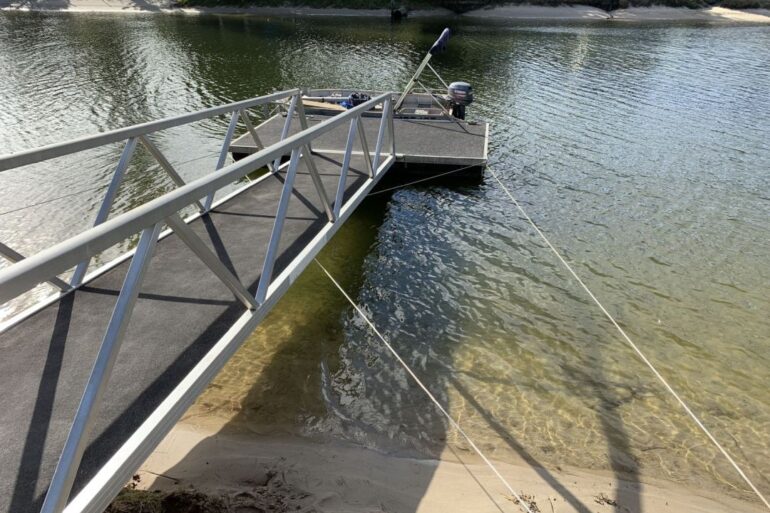
Ensuring stability and durability in waterfront structures is no small task, and that’s where cable pontoons truly shine. These versatile floating platforms play a vital role in marinas, residential docks, and commercial marine infrastructure. Designed to handle fluctuating water levels and harsh marine conditions, cable pontoons offer a reliable and adaptable solution for everything from boat mooring to creating accessible walkways. However, like any essential structure exposed to the elements, they need regular maintenance and occasional repairs to stay in top shape.
Neglecting upkeep can lead to costly damage, risking both safety and functionality. That’s why routine pontoon maintenance and timely repairs are not just a smart choice—they’re a necessity. At Micks Marine Maintenance, we understand the unique challenges that come with owning and maintaining cable pontoons. Backed by more than 25 years of experience, our team specialises in installation, repairs, and full-scale maintenance services for floating docks and other marine structures across Northern NSW, the Gold Coast, Brisbane, and the Sunshine Coast.
This guide is here to equip you with everything you need to know about cable pontoons—from understanding their design and applications to maintaining their performance and addressing common issues. Whether you’re a homeowner, marina manager, or business owner, these insights will help you keep your pontoon in peak condition for years to come. Let’s get started!
Understanding Cable Pontoons
A cable pontoon system is a versatile floating platform designed to offer stability in various water environments. Unlike stationary docks or rigid platforms, it relies on tensioned cables for anchoring, ensuring adaptability and security as water levels fluctuate. These pontoons are a popular choice for marinas, waterfront homes, and more, where flexibility and durability are key.
How Does a Cable Pontoon System Work?
The core of a cable pontoon system lies in its anchoring setup. Tensioned cables connect the pontoon to either shore points or underwater anchors. This design allows the structure to stay secure while accommodating water movement caused by waves, tides, or currents. At the same time, buoyancy chambers within the pontoon help to maintain its floatation and load-bearing capacity. Together, these engineering elements provide a stable and practical solution for a wide range of marine applications.
Where Are Cable Pontoons Typically Used?
Cable pontoons are incredibly versatile. You’ll find them in use across a variety of environments, including:
- Residential Waterfront Properties: Ideal for private docks and providing easy boat access for homeowners.
- Marinas and Harbours: Commonly installed as floating docks or walkways, they enable efficient boat mooring.
- Industrial Applications: Frequently used for floating work platforms, they offer flexibility and robustness in demanding work environments.
- Aquaculture Farms: Thanks to their stability, they also serve as platforms for floating fish pens and essential equipment.
Have other questions about cable pontoons? Don’t miss our dedicated post on Cable Pontoon FAQs.
Comparing Cable Pontoons to Other Systems
When compared to fixed pontoons, cable pontoons shine in environments with fluctuating water levels. Fixed pontoons, while incredibly stable, lack the adaptability needed for changing tides. Similarly, floating pontoons with pilings, which rely on rigid posts to stay anchored, don’t offer the same flexibility as cable mooring systems. Cable pontoons combine the best of both worlds—adaptability and stability—making them a reliable solution for varied marine engineering needs.
Whether you’re installing a floating dock or upgrading an existing structure, cable pontoons provide a durable, practical, and efficient choice for waterfront settings.
Read our post on the Pros and Cons of Cable Pontoons to see if this dock option is right for your property. Our Cable Pontoons Installation Guide will also help determine if a cable pontoon is suitable for your location.
Components of a Cable Pontoon
Understanding the structural and functional components of a cable pontoon is crucial for keeping it in top shape. Each part works together to ensure the pontoon remains stable, durable, and safe for use. Knowing these components can also help identify maintenance needs before they become costly repairs.
Floating Deck
The floating deck is the main platform where people walk or dock boats. It provides the pontoon with its usable surface. Manufacturers often use marine-grade aluminium, composite materials, or concrete to construct floating decks, ensuring long-lasting durability. Weatherproof materials and a non-slip marine carpet improve safety and functionality, especially in wet conditions.
Tension Cables
Tension cables are essential for maintaining stability. These cables anchor the pontoon to a secure point while allowing flexibility for water level changes or wave motion. Over time, tension cables may wear or fray, making regular structural integrity assessments vital to ensure safety.
Pontoon Anchoring System
The pontoon anchoring system holds the structure in place. This system may include shore-based anchor points, underwater moorings, or even pylons, depending on the location and water conditions. Proper anchoring is critical for preventing drifting or movement, especially during storms or heavy currents.
Buoyancy Chambers
Buoyancy chambers play a crucial role in keeping the pontoon afloat. Typically made from sealed plastic or metal, these chambers provide the flotation needed to support weight and maintain stability. Regularly inspecting for cracks or leaks is essential to ensure optimal performance and prevent issues.
Gangway
The gangway connects the pontoon to the shoreline, making it easy to move between land and the floating dock. These ramps are often designed with hinged connections to adapt to varying tides. A non-slip surface on the ramp ensures safe passage, particularly in wet or slippery conditions.
Mooring Cleats and Hardware
Mooring cleats and hardware play a crucial role in securing boats to the pontoon. They must be checked frequently for rust or looseness to maintain their reliability. High-quality, weatherproof materials are commonly used to reduce the impact of saltwater exposure and prolong their lifespan.
Every part of a cable pontoon serves a specific purpose, working together to create a safe and functional marine platform. Regular checks ensure each component operates as designed, extending the pontoon’s usability for years.
Common Issues and Repair Needs
Cable pontoons, while highly durable, are exposed to harsh environmental conditions and mechanical stress. Over time, these factors can lead to wear and tear, creating problems that require prompt attention. At Micks Marine Maintenance, we understand these challenges and specialise in pontoon repairs to keep your pontoon safe and functional. Below, we’ve outlined the most common issues that affect cable pontoons and the solutions we provide.
Cable Wear and Fraying
Saltwater, UV rays, and constant friction gradually wear down tension cables. This wear can lead to fraying, loosening, and eventual failure of the anchoring system. Regular inspections help identify signs of degradation early, allowing us to replace damaged cables and maintain stability.
Pontoon Deck Damage
Moisture, heavy loads, and daily use take a toll on pontoon decks. Wooden decks may rot or warp, while composite decks can crack under prolonged pressure. Repairing or replacing damaged decking ensures the platform remains safe and functional for all users.
Corrosion and Rust
Metal components, like steel cables, mooring cleats, and bolts, are at risk of rust and corrosion. Without proper treatment, these elements weaken and compromise the pontoon’s structural integrity. Protective coatings and material upgrades can help prolong the lifespan of these critical parts.
Loose or Damaged Mooring Cables
Mooring cables that loosen or break can cause the pontoon to drift or lose stability. This issue often arises from intense mechanical stress or neglect. Timely tension adjustments and replacements restore the pontoon’s secure positioning.
Marine Growth and Fouling
Algae, barnacles, and biofouling build up on submerged parts of the pontoon, adding weight and reducing its buoyancy. This marine growth also increases drag and affects performance. Routine cleaning and antifouling treatments minimise this buildup and extend the pontoon’s usability.
Impact Damage from Waves and Storms
Severe weather, such as storms and high waves, can damage the pontoon’s structure. Anchors may loosen, components may break, and the entire platform might shift or displace. After extreme weather events, we recommend thorough inspections to identify and repair any structural weakening or damage.
Proactively addressing these common problems ensures your cable pontoon remains in excellent condition for years to come. With regular maintenance and expert repairs from Micks Marine Maintenance, you can trust that your pontoon will continue to perform reliably in even the toughest conditions.
Common Cable Pontoon Repairs
At Micks Marine Maintenance, we are proud to be the go-to company for cable pontoon repairs across the Gold Coast, Brisbane, Sunshine Coast, and Northern NSW. Keeping your pontoon in top condition is essential for safety, functionality, and longevity. Below, we’ve highlighted the key repair tasks we regularly carry out to maintain the integrity of cable pontoons.
Pontoon Cable Tensioning
Adjusting cable tension is critical for preventing excessive movement or instability. Over time, tension cables can loosen due to constant exposure to water currents and mechanical stress. We ensure these cables are properly adjusted to secure the pontoon and maintain its stability.
Marine-Grade Cable Replacement
Replacing frayed, stretched, or corroded cables is necessary for a reliable anchoring system. Marine-grade cable replacement ensures the structure stays securely moored, even in challenging weather conditions. Using high-quality cables extends the lifespan of your pontoon and enhances safety.
Deck Resurfacing and Replacement
Damaged planks, marine carpet, or composite decking compromise the appearance and functionality of your pontoon. Deck resurfacing involves refinishing surfaces to restore their condition, while replacing planks ensures the platform remains safe for everyday use. This process improves durability and aesthetics, enhancing the pontoon’s value.
Visit our Gangway & Pontoon Recarpeting page to learn more.
Buoyancy Chamber Repair
Buoyancy chambers keep the pontoon afloat and stable. Cracks or leaks in these chambers reduce their effectiveness, leading to potential safety hazards. Our team repairs or replaces damaged chambers to restore floatation and support the pontoon’s load-bearing capacity.
Corrosion-Resistant Coatings
Metal components, such as anchoring systems and mooring cleats, are vulnerable to rust. Applying corrosion-resistant coatings, including galvanisation, marine-grade paint, or rust inhibitors, protects these parts from saltwater damage. This step preserves the structural integrity of your pontoon.
Structural Reinforcement
The anchoring system must remain secure under all conditions. Structural reinforcement ensures that the shore-based anchor points and underwater moorings stay intact and functional. This repair is essential for preventing loosening or displacement during storms or strong currents.
Antifouling Treatment
Marine growth, such as barnacles and algae, builds up over time and affects your pontoon’s performance. Anti-fouling treatment minimises this buildup, reducing drag and extending the usability of submerged components. Routine treatments keep the pontoon operating at its best.
Read our post, How to Remove Barnacles from a Pontoon Dock, for DIY barnacle removal options.
By addressing these repair needs promptly, you ensure your cable pontoon performs reliably and remains a safe structure for years to come. Trust Micks Marine Maintenance to deliver professional repair services that keep your pontoon in peak condition.
The Importance of Annual Pontoon Inspections
Routine pontoon inspections are essential to keep your cable pontoon in top shape. Annual checks not only prevent costly repairs but also ensure safety and functionality for years to come. At Micks Marine Maintenance, we offer a professional annual pontoon service that covers everything you need for reliable, hassle-free pontoon care.
Why Annual Inspections Are Essential
- Prevent Structural Failures: An annual pontoon safety inspection helps detect weak points early. By addressing small issues like loose cables or minor deck damage, you reduce the risk of accidents and costly structural failures.
- Ensure Safety Compliance: Routine inspections ensure your pontoon meets maritime and local regulations. Compliance with marine regulations is critical for safe operation, especially for commercial pontoons or community docks.
- Prolong Lifespan: Preventative maintenance significantly extends the usability of your pontoon’s materials and structures. Buoyancy chambers, cables, and decks last longer with regular care, providing a sound return on investment.
- Optimise Performance: A properly maintained pontoon offers secure docking and consistent stability for your boats. An annual maintenance checklist ensures every component operates smoothly, even in fluctuating water levels.
- Minimise Repair Costs: Preventative fixes are more cost-effective than major repairs. Addressing minor corrosion or replacing worn cables early prevents larger, costly overhauls down the line. Annual inspections save you both time and money in the long run.
- Adapt to Environmental Changes: Environmental factors, like seasonal tide changes, require regular adjustments. Annual inspections adapt the pontoon to these shifts, maintaining stability and performance throughout the year.
Annual inspections are the smartest way to protect your investment and keep your pontoon functioning at its best. With Micks Marine Maintenance, you benefit from professional and cost-effective pontoon care that focuses on safety, compliance, and longevity. Book your annual pontoon service today to ensure reliable performance season after season.
Conclusion
Maintaining your cable pontoon is critical for ensuring safety, longevity, and functionality. Throughout this guide, we’ve covered the importance of understanding your pontoon’s components, addressing common issues, and performing necessary repairs. Regular inspections and preventative maintenance play a key role in preventing costly damages and extending the lifespan of your pontoon.
By investing in reliable pontoon maintenance and professional cable pontoon repairs, you ensure long-term pontoon performance and secure, stable mooring for years to come. Proactive care not only saves money but also enhances safety and compliance with marine regulations.
At Micks Marine Maintenance, we specialise in marine infrastructure solutions, providing expert inspections, repairs, and maintenance tailored to your needs. Don’t wait for small issues to turn into major problems—contact us today to schedule your service. Trust us to keep your pontoon performing its best while giving you peace of mind every step of the way.